Find the image. Forget the filename.
The garment, the colour, the place. Describe what you remember and find it in your brand’s own archive, even when the filename and folder are long forgotten.
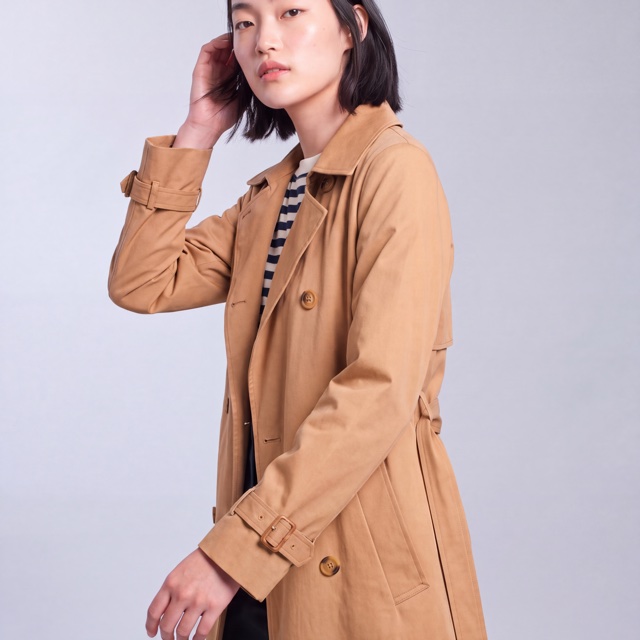


Photographs matching “Ecru knitwear outdoors” are shown in full colour; other archive images are faded.
A colour. A setting. The exact photograph.
When you remember more, say more. Add the setting or a detail of the scene to narrow a broad search down to the image you meant.


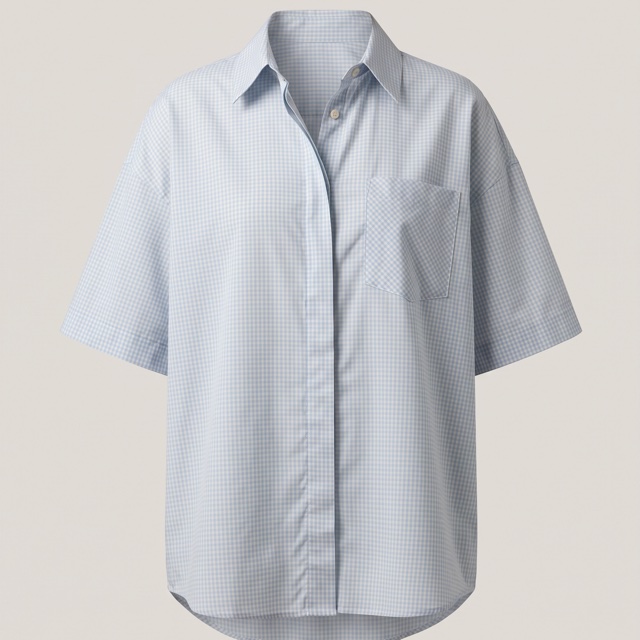
3 photographs matching “Blue shirts”.
The details become searchable.
Colour, pattern, sleeves and setting become ways to find a photograph. Descriptive metadata connects what you can see to the words you would use to look for it.
- Blue
- Gingham
- Short sleeves
Search like you work.
Check a finish. Revisit a silhouette. Recover a styling reference. Describe the details that make the photograph useful to you.
“Find the ecru crewneck laid flat, with ribbing at the neckline, cuffs and hem.”
A finishing reference for your next knitwear review.
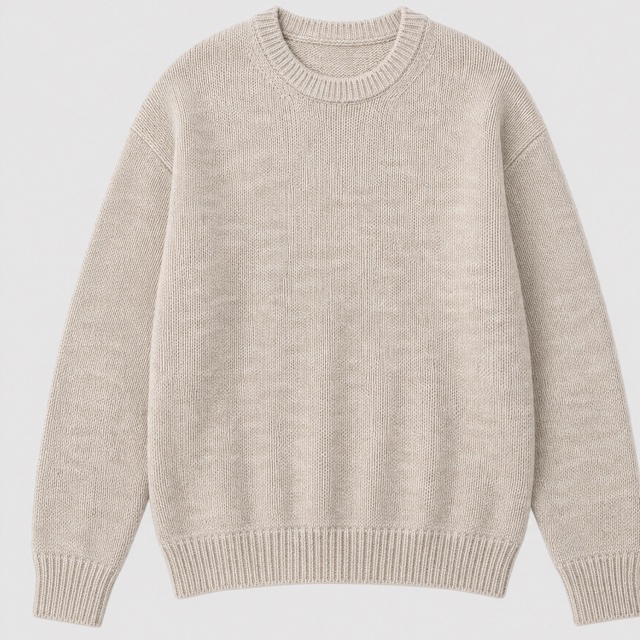
Find the piece. See it in context.
The same knit can be a product reference, a styling cue or part of a moodboard. Find the studio and lifestyle images that show the side you need.

Your past work. Back in play.
Rediscover the overlooked.
An old shoot can hold the silhouette or colour you need today. Describe the garment or setting and find images beyond the references you already had saved.
Open the archive to fresh eyes.
A colleague can look for an ecru knit photographed outdoors without knowing the shoot or who filed it. Your images become useful beyond the people who remember making them.
Put your archive back to work.
Find the reference. Explore the alternatives. Build on images your brand already has.