Fashion has analytics. It doesn't have infrastructure.
For decades, fashion has bought analytics: market intelligence, demand forecasting, consumer insights, runway and trend reports. Many are sharp. The teams behind them are skilled. They built what they could on top of the data that was available.
What was missing, what is still missing, is the layer underneath. A connected graph of every brand, supplier, material, and signal in fashion, sourced and traceable to its origin. The infrastructure analytics could compound on instead of restart from. Every fashion intelligence team rebuilds the same knowledge twelve different ways because no shared layer exists for them to stand on.
Apshan builds that infrastructure.
An obsession with materials.
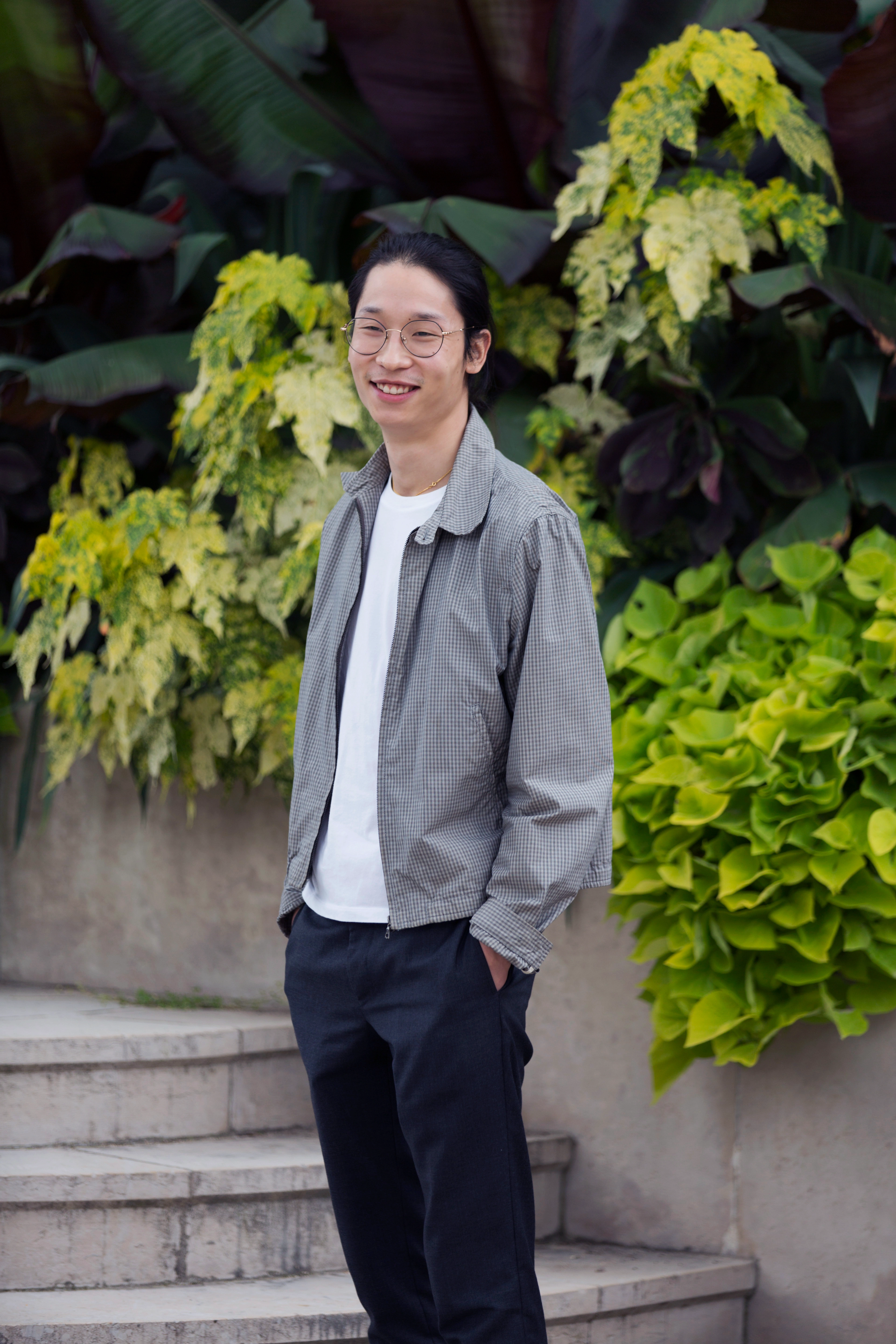
In Soo Seguier graduated from ESMOD in Paris and went deep on the most technical corner of fashion he could find. Three-layer fabrics. Pre-treatments. NASA-derived phase-change materials. PCM, supposed to thermoregulate a garment. Then years inside a company integrating bulletproof composites into outerwear that looked like any other coat. Fabric science, made invisible.
The pattern that surfaced wasn't about materials. It was about how little of fashion's actual knowledge moves. Suppliers know what they're selling. Most buyers don't. Designers want to substitute fabrics on a deadline and have nowhere to look up the trade-offs. Trade shows are still where the real exchanges happen, because the digital infrastructure to share that knowledge doesn't exist.
Apshan started in 2022 as the answer to a single question. What if you could ask any question about fashion the way you'd ask the most technical specialist in the room, and get an answer that cites where it came from?
Reading fashion means reading the world.
Cotton harvests bend to weather. Supply chains break to geopolitics. Pricing moves with currencies. Cultural sentiment outpaces every quarterly report. The forces that actually shape fashion are measured everywhere: in satellites, futures markets, news cycles, port logistics, social conversation. Except in the data layer fashion buys.
We read those forces. Not because cross-industry data is fashionable to mention, but because fashion is the product of all of them, and pretending otherwise has cost the industry decades.
The cotton buyer who reads weather doesn't make better trend predictions. They make better contracts. The brand that watches Asian currencies doesn't get hipper. It gets better margins. Reading what shapes fashion is the bedrock. Everything analytics teams do on top compounds from there.
The next machines won't be language models.
Today's AI assistants are language models. They're statistical pattern matchers. They predict what word comes next, based on what came before. Useful for many things. Limited for others.
The next generation will be different. Researchers call them world models. The idea is simpler than the term: machines that don't just predict text. They model how the world actually works. Physics. Geography. Supply chains. Weather systems. The way a child intuits that a glass tipping over will spill, without being told. That intuition lives in a model of the world, not a list of words.
Yann LeCun won the 2018 Turing Award, computer science's Nobel, for the deep-learning work most of modern AI is built on. He led Meta's AI research for a decade. In late 2025 he left to start AMI in Paris, his bet on world models, and raised over a billion dollars in March 2026. The largest seed round in European history. Apshan is building the fashion-native knowledge layer those models will run on. When the world models arrive, fashion will already have its data layer waiting.
The silos are the bug.
Inside most fashion companies, the leather goods team does not talk to the apparel team. The apparel team does not talk to the women's wear team. Across companies, leather goods designers in Paris do not meet leather goods designers in Florence or Taipei. The knowledge each team holds is real and deep and locked inside the room it was built in.
This is the fashion industry's most expensive bug. Careers stall in silos. Innovation slows in silos. The same problem gets solved twelve times in twelve buildings because no one can see the other eleven solutions.
The new silo is the AI silo. Most fashion AI today is bolted onto isolated functions: copywriting in one corner, image generation in another, customer service in a third. The unlock is not more AI. It is the layer that lets AI work across functions, not inside them.
Apshan is built on the belief that the global knowledge of a craft belongs to everyone who practices it. Not to homogenize anyone. Italian leather is not Japanese leather is not French leather. But to make the differences between them legible, comparable, and accessible from any conversation, in any function. The infrastructure that breaks both silos at once.
Your craft stays yours.
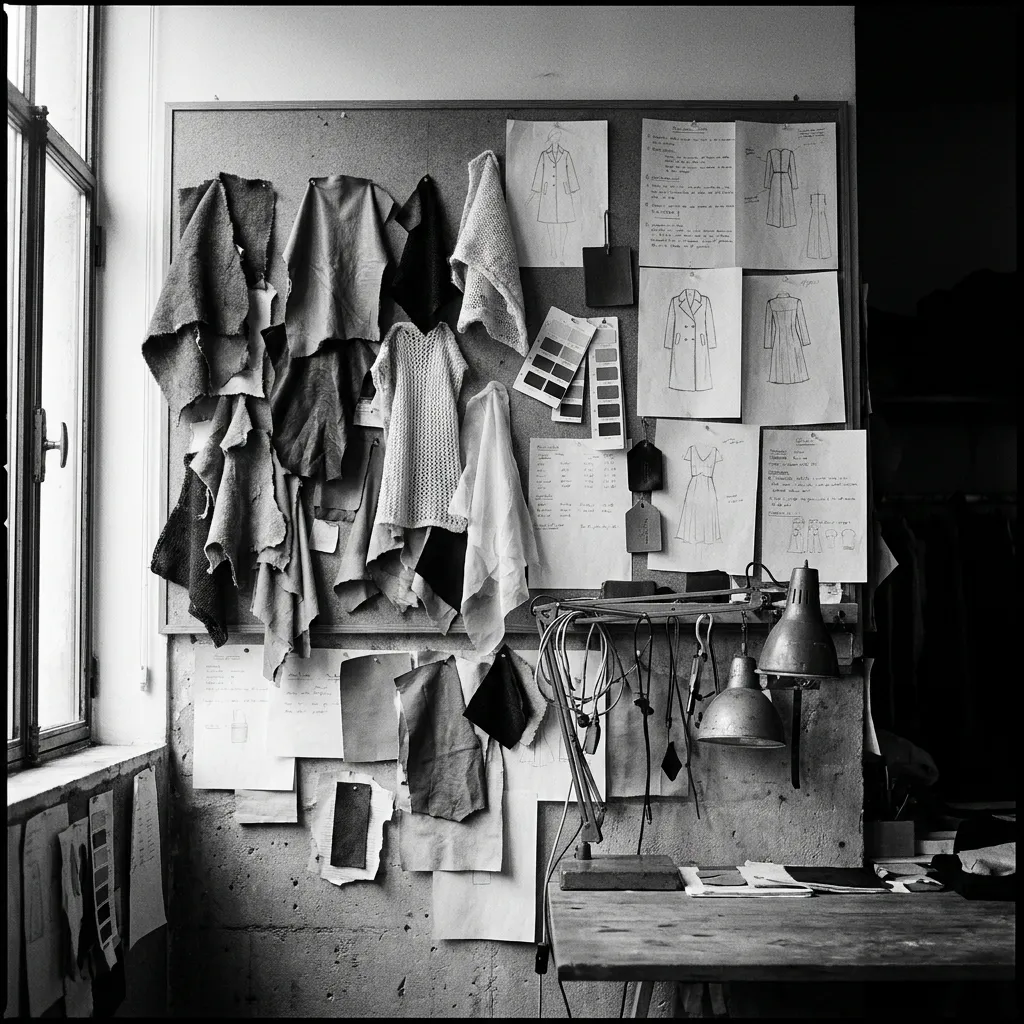
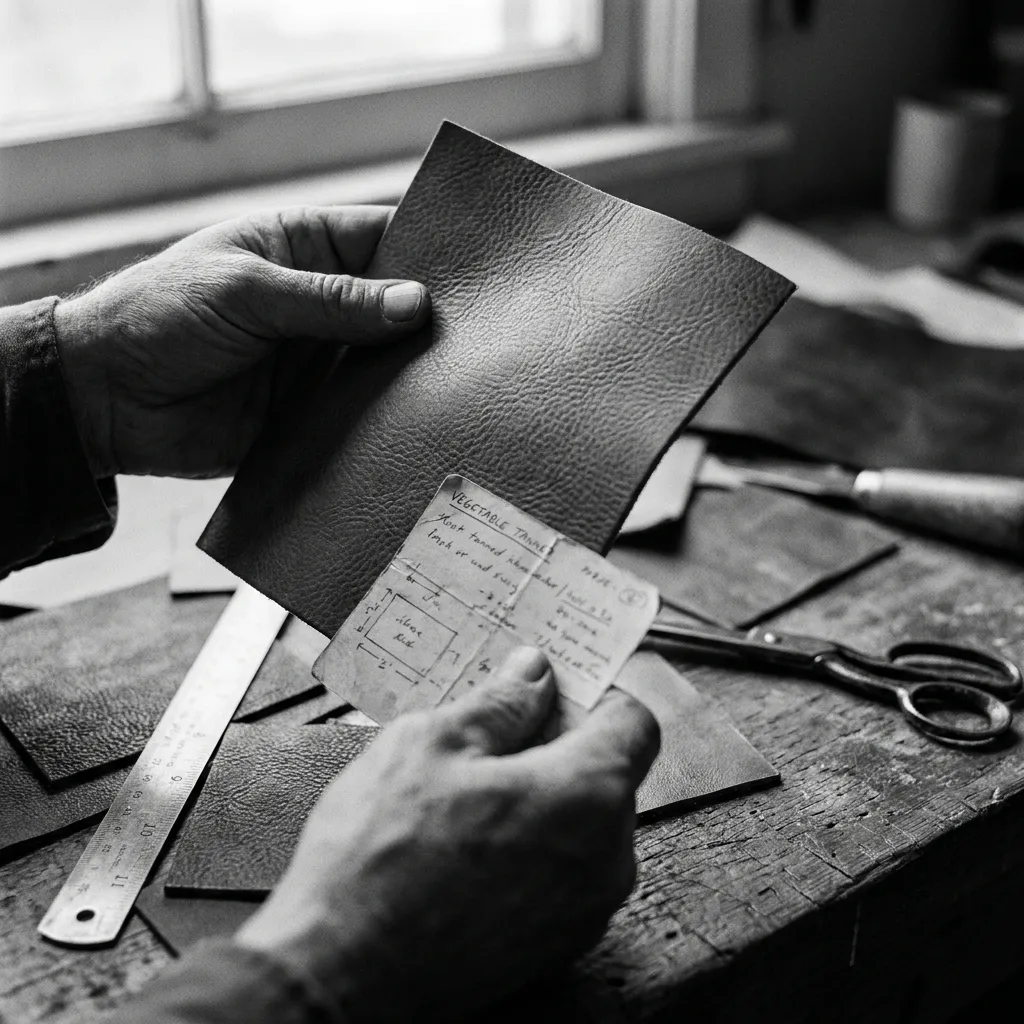
Some fashion companies are right to fear sharing knowledge. The decades a maison spent perfecting a tannage, the supply network a buying team built relationship by relationship, the stitch pattern a designer reverse-engineered from a 1970s archive. That knowledge is not just intellectual property. It's the company.
Apshan does not take any of it. The proprietary knowledge inside a company stays inside the company. We do not ingest it. We do not train Apshan's models on it. We do not surface it to anyone else.
What we provide is the layer beneath. Public knowledge, structured. Cross-industry signals, sourced. Adjacent crafts, accessible. A leather house keeps every secret that makes it a leather house, and gains a sourced map of every leather it doesn't already work with, every regulation it hasn't yet read, every cultural signal moving across markets it doesn't already operate in. The craft compounds. It doesn't leak.
One brick. Not another tool.
Fashion runs on a fragmented stack of products that don't talk to each other. Adding another product to log into doesn't fix the fragmentation. It compounds it.
So Apshan ships an integration layer, not another piece of software. The intelligence sits inside the AI assistant your team already uses: Claude today, Mistral today, world models tomorrow. No new login. No training session. No vendor cult. You add one brick to your existing stack. The brick contains the knowledge.
There will be a small dashboard. Not for the work. For the things that need their own surface: sovereignty controls, billing, team seats, retrieval of generated assets. You'll log into it a couple of times a year. The work happens where you already work.
A multiplier, not a replacement.
Real human knowledge will never be replaced by synthetic knowledge. Language models are statistical pattern matchers. They have no critical thought, no taste, no memory of the conversation you had with a supplier in 2018 that explains why this fabric never quite worked. The connection in your brain is still the work.
Apshan multiplies that work. Operators with weak questions will get less weak. Operators with sharp questions (the leather goods designer who knows how a tannage compares against another at half the cost) will get answers five times faster, with citations.
We're not here to replace expertise. We're here to make experts the most informed person in every room they walk into.
Sovereignty before convenience.
Apshan is a French company. We incorporated in Paris in 2022 because the European Union has the strictest data sovereignty framework on Earth, and the EU AI Act sets a real floor. When fashion buyers ask whether their queries are private, whether their suppliers are exposed, whether their data trains anyone's models, the answer in the EU is structural, not contractual. Apshan is EU-incorporated, EU-hosted, EU-resident. Limited Risk classification under the EU AI Act, by design.
Textile is one of the industries Europe has shaped most. Europe deserves the infrastructure that lets it keep shaping it. So we choose French providers wherever they exist, European wherever they don't. Mistral first on the user-facing side. We believe in the French and European AI ecosystem and want to contribute to it.
Your queries stay in your session. They don't train Apshan's models. Sovereignty is the foundation. Everything else is built above it.